Fort Stevens State Park: Ultimate Guide to Camping, Trails, & Outdoor Activities (in 2024)
If you’re gearing up for an unforgettable adventure on the Oregon Coast, Fort Stevens State Park is the place to be. Nestled between the Columbia River and the Pacific Ocean, this Oregon park is a veritable playground for nature lovers, outdoor enthusiasts, and history buffs alike.
Why should you be psyched about Fort Stevens? Picture this: serene lakes, miles of woodsy trails, pristine beaches, and historic military structures telling tales of bygone eras. And, a plethora of outdoor activities that’ll have you falling in love with the Pacific Northwest in no time. We’re talking hiking, trail running, biking, fishing, kayaking, clamming – you name it, Fort Stevens has got it covered.
Fort Stevens has become my favorite place to visit while living in Astoria (beach runs here are unmatched), and I want to share everything this special place has to offer with you. So, here’s your insider guide to all things wonderful about this park – I hope you have an amazing visit!
This post contains affiliate links, meaning I may receive a commission if you make a purchase through these links (at zero cost to you). Please see my disclosure policy for details.
Fort Stevens State Park Overview
Historic Fort Stevens State Park is a 4,300 acre expanse of lush forests and coastal habitat between the Columbia River and the Pacific Ocean. This park features countless trails for hiking, cycling, and running, a shipwreck on the beach, a lively campground, and a historic military fort.
Fort Stevens State Park is located at 1675 Peter Iredale Rd, Hammond, OR 97121. There are multiple ways to access the park. The closest entrance to the campground is the Peter Iredale Road park entrance. It’s right across the street from the Astoria/Warrenton/Seaside KOA Resort.
- Park Hours: 6:00 AM to 10:00 PM
- Entrance Fee: $5 per vehicle (annual permit available for $30 – good for locals!)
- Park phone number: (503) 861-3170 x 21
When to visit Fort Stevens State Park
Fort Stevens State Park is open all year round, so you can take advantage of its outdoor recreational opportunities during any season! Summer months are the most popular time to visit, thanks to average daily highs in the mid-60s. During winter, you can expect temperatures to remain mild in the 40s and 50s. But, that classic PNW rain does ramp up significantly during winter and spring. That said, I’ve learned to embrace rainy day hikes – it’s worth it to go any time of year, and not miss out on the fun!
Things to do at Fort Stevens State Park
Hiking
Hiking in Fort Stevens is the perfect way to access breathtaking landscapes and hidden gems throughout the park. It’s home to a number of easy to moderate trails that cater to all skill levels. Whether you’re craving a leisurely stroll on the beach or a journey through lush coastal forests, this park has hiking trails for every adventurer. Here are some of the best hiking trails in Fort Stevens (bonus: these routes are perfect for trail running, too!):
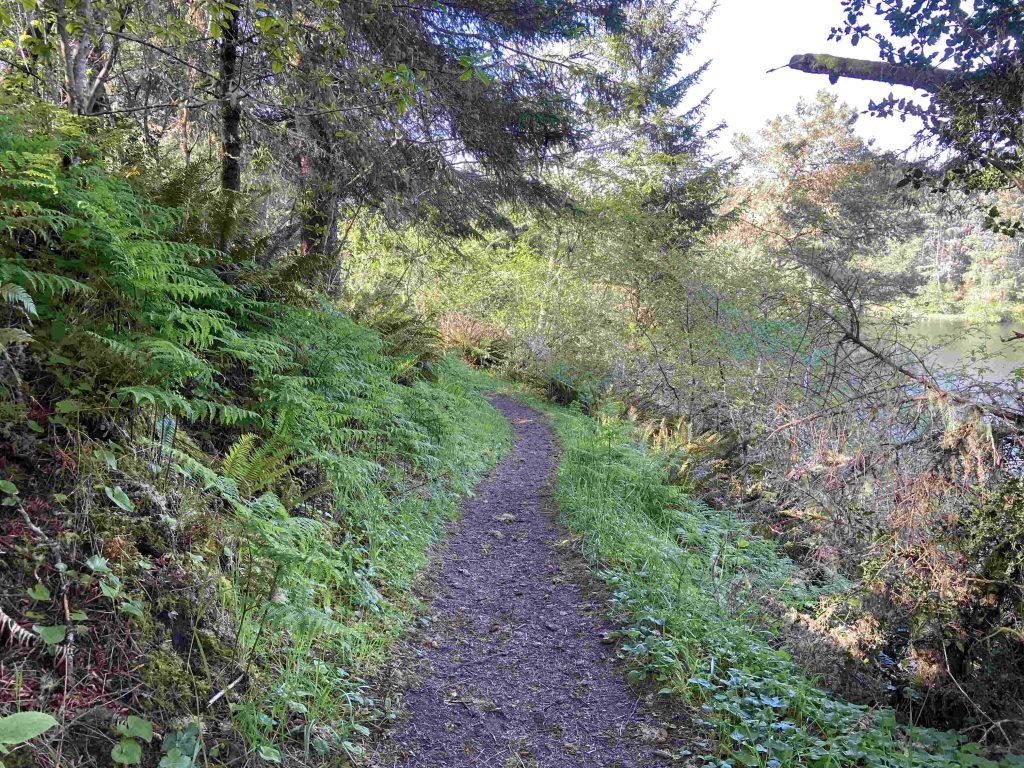
Coffenbury Lake Trail (2.5 miles)
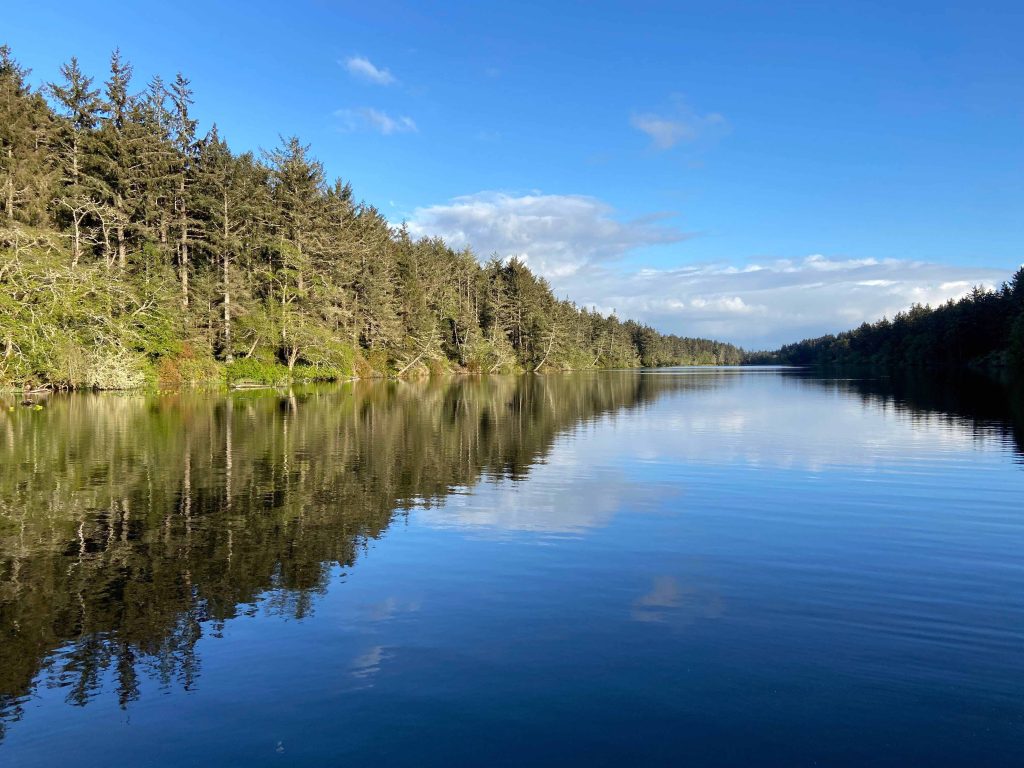
A tranquil escape into nature, the Coffenbury Lake Trail encircles a picturesque lake. This trail offers a peaceful retreat with opportunities for birdwatching and serene waterside moments.
Battery Russell Loop (2.8 miles)
Immerse yourself in World War II history as you traverse this trail. You’ll wind through the interior of the park and passing the remnants of a military fort. Expect a fascinating journey through time.
Kestrel Dune and Columbia Beach Loop (4.9 miles)
One way is a paved trail through the woods, and the other way winds back through the dunes overlooking the Pacific Ocean. And, you’ll get to check out a historic shipwreck along the way.
Camping
From traditional campsites to yurts, camping at Fort Stevens State Park is an amazing way to immerse yourself in nature. Click here to hop to the section about Fort Stevens State Park camping for more details about the campground, yurts, RV camping, and the amenities available.
Wreck of the Peter Iredale
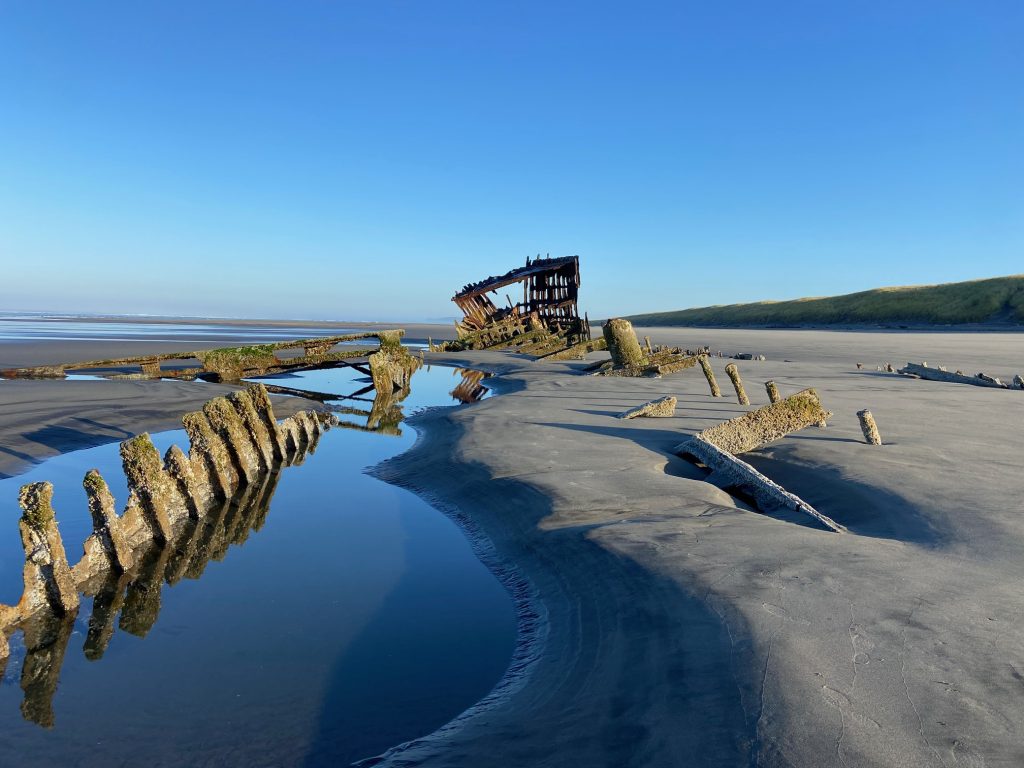
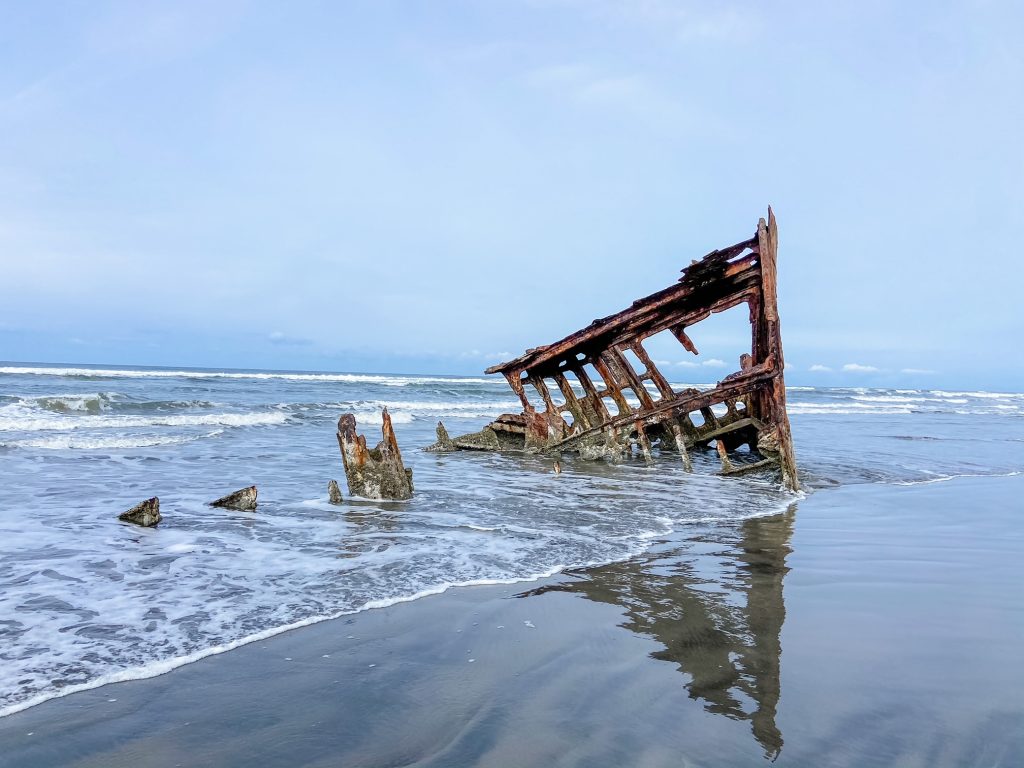
The Peter Iredale was a steel barque that ran aground on the beach in 1906. Luckily, everyone on board survived. Today, you can visit the remnants of the historic shipwreck jutting out of the sand, with its surprisingly well-preserved bow and “skeleton” stretching across the beach.

Clamming
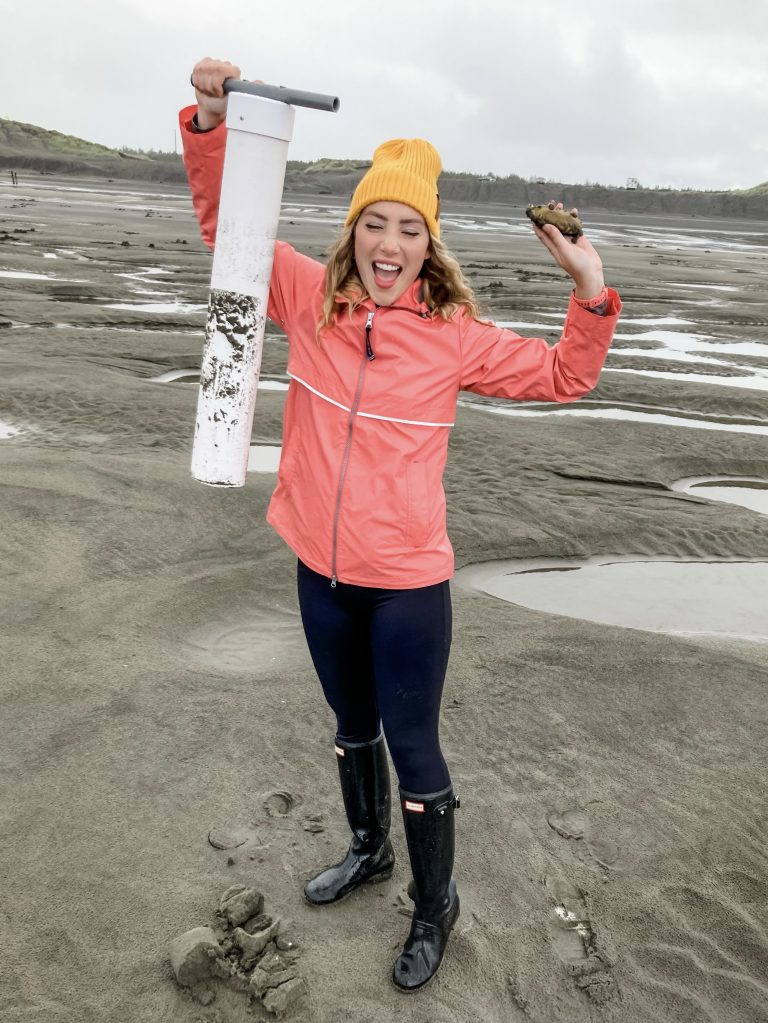
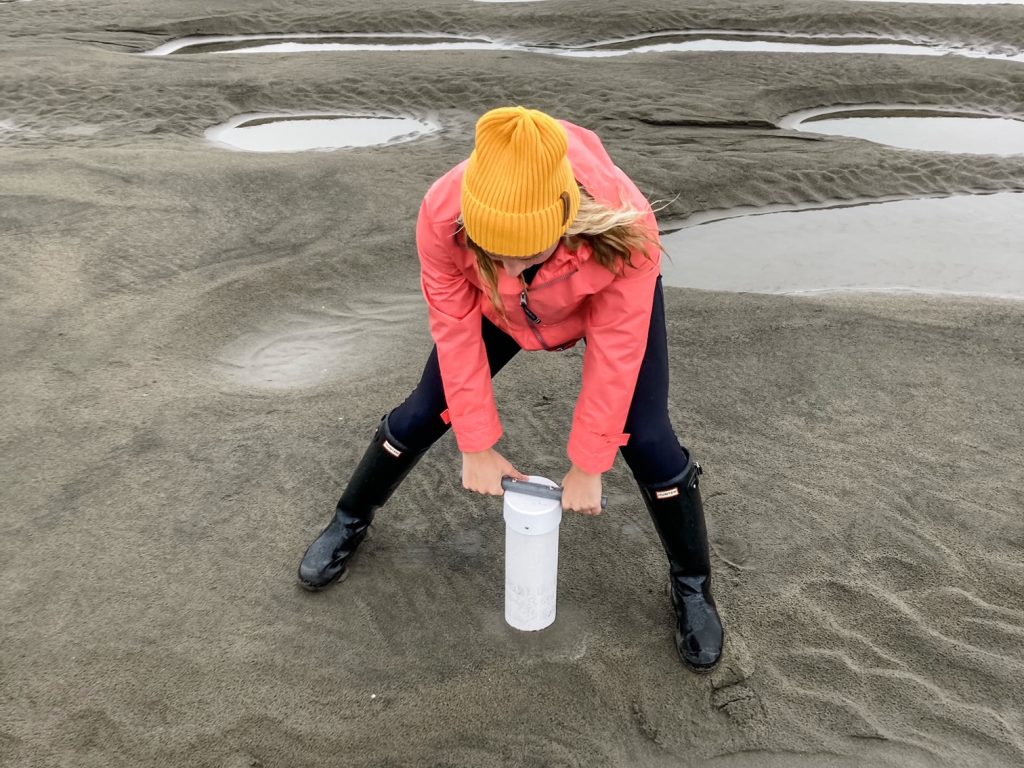
I’m a little biased, but clamming is so much fun and is so easy to do here at low tide. Check out my guide to clamming on the Oregon coast for step by step instructions on how to dig up dinner!
Wildlife viewing
Wildlife viewing is one of the most satisfying recreational opportunities in Oregon state parks, given the abundance of animals in the region. So, bring a pair of binoculars and try your hand at birding, or hit the park just before sunset to see regal herds of elk grazing along the road. Fort Stevens is where I saw my first elk in Oregon – they’re huge in person!
Cycling
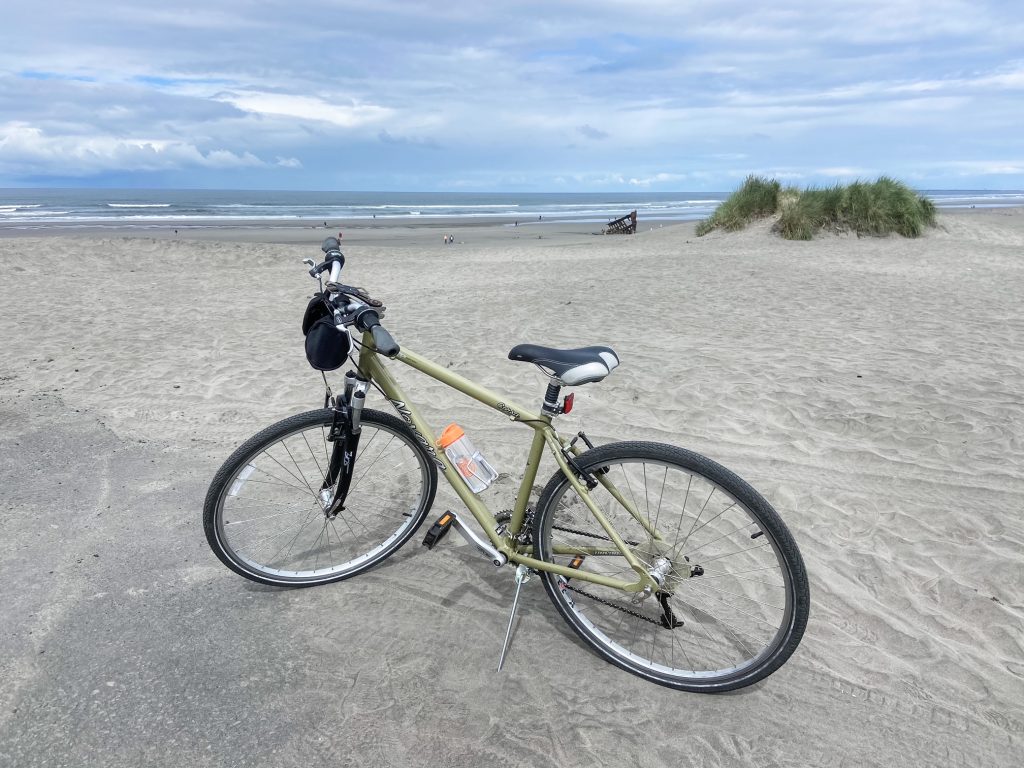
Fort Stevens offers several paved bicycle trails throughout the park, making it a serene paradise for cyclists. Some people even bring their fat tire bikes so they can cruise along the beach.
Photography
Fort Stevens is a wellspring of incredible photography opportunities. From the skeletal, historic shipwreck of the Peter Iredale and walls of evergreen trees lining the coast to herds of elk and and old military installation, there’s so much to capture.
Fishing
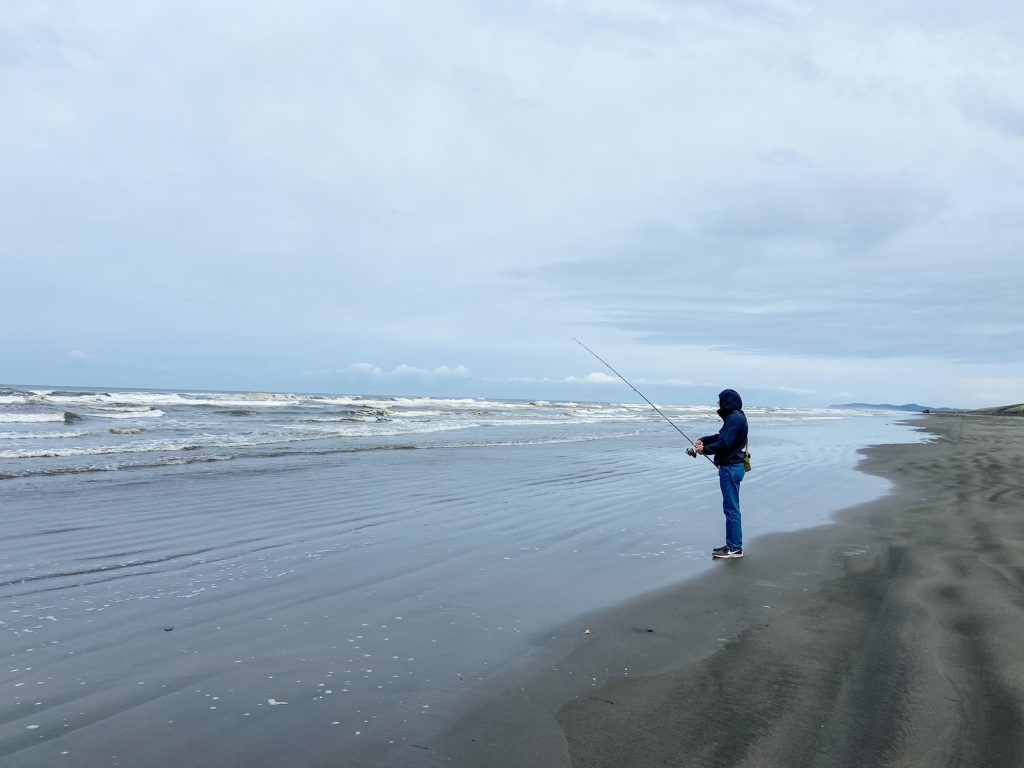
Coffenbury Lake offers anglers endless entertainment, as it’s stocked with trout and is also home to bass, bluegill, perch, and crappie. There’s a dock you can fish from, as well as a boat ramp if you’d rather fish out on the water. You can also try your hand at surfcasting from the beach.

Military History
As a state park with a history as a primary military defense installation, there are still many remnants standing from Fort Stevens’ Civil War and World War II history. Whether you want to see a Civil War-era original earthen fort or check out artillery gun batteries from the dawn of the twentieth century, this military fort is the place to do it.
Beach combing
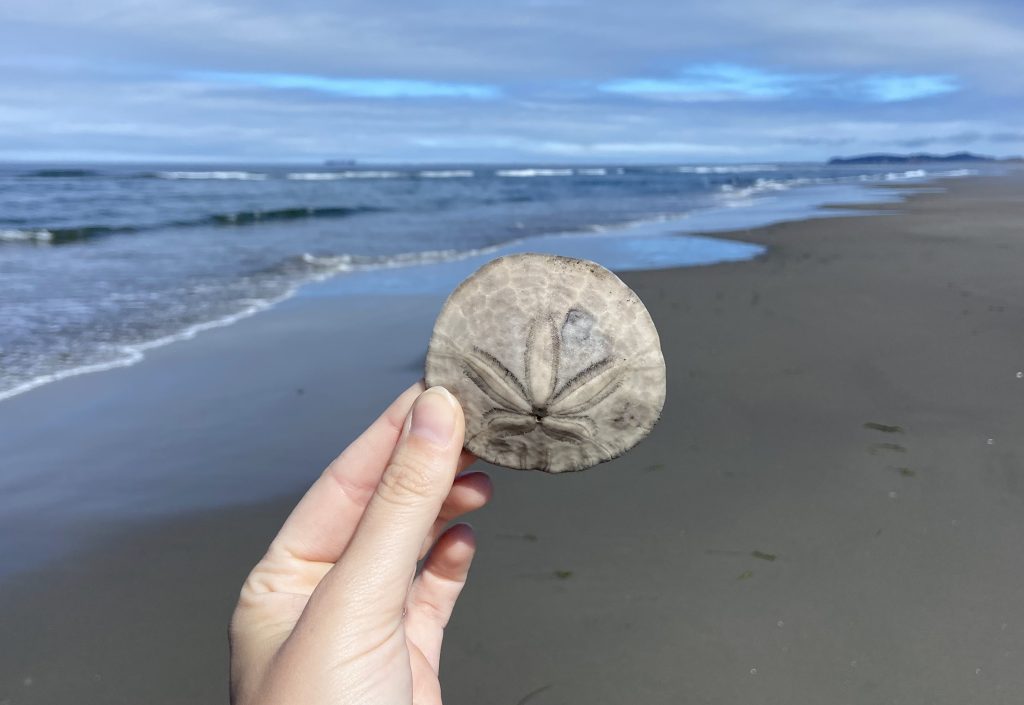
There are multiple locations for beach access throughout the park (the easiest is parking by the wreck of the Peter Iredale), so naturally beach combing makes the list of things to do at Fort Stevens State Park. You’ll find beach glass, sand dollars, and impressive driftwood as you walk the sandy shore.
Looking for more things to do on the Oregon coast? Here’s our guide to the best things to do in Astoria, Oregon for a little trip inspiration.
Camping at Fort Stevens State Park
Fort Stevens is open for camping all year round. As far as types of campsites available, there are hundreds of full hookup and electrical sites for RVs and campers, 6 tent sites (in addition to 9 hike-in sites), 15 yurts, and 11 cabins. Each campsite features a picnic table and a fire pit.
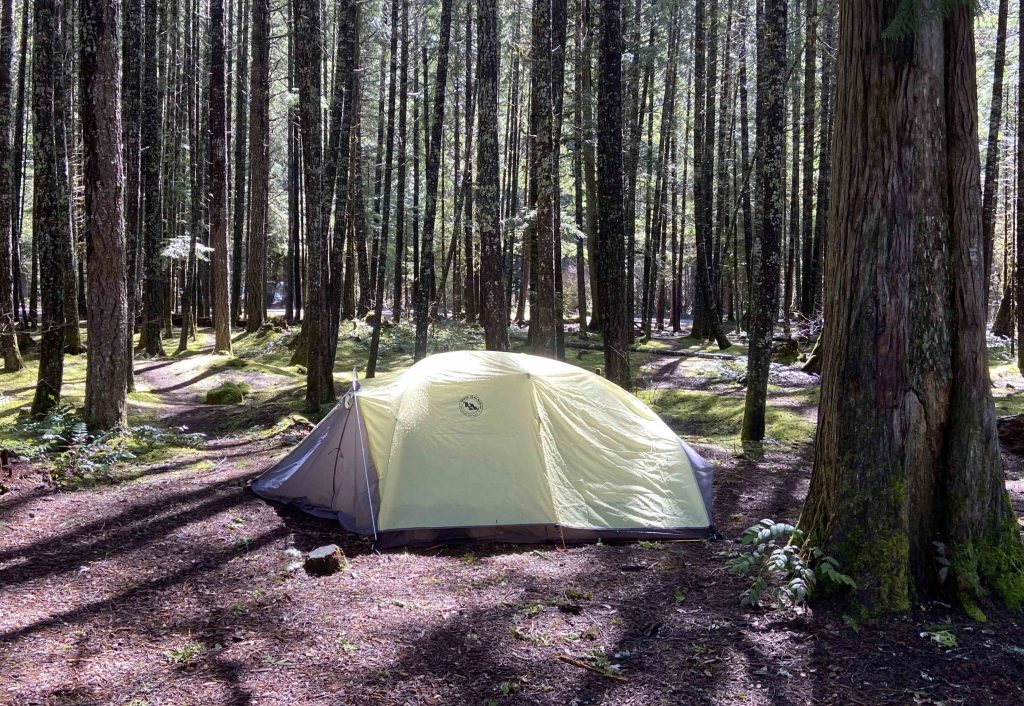
Reservations for Fort Stevens cabins, tent and RV sites, and yurts can be made through the Oregon State Parks website. Yurts and cabins range from $42 to $98. Tent sites start at $24 (for residents – they cost 25% more for visitors), and RV and camper sites cost between $35 and $38.
What to bring with you
Here are some essential (and cost effective) items to bring to help you make the most of your visit:
- Rain jacket: the Pacific Northwest is notoriously rainy! Stay dry and keep trekking even during the stormy winter months. I have this rain jacket in three colors and it works wonders.
- Water bottle: I know you all know – hydration is key! There are a ton of expensive bottles out there, but this stainless steel beauty does the trick for less.
- Day pack: you’ve gotta be able to stash your trail snacks somewhere! This water-resistant pack is perfect for PNW day hikes and costs less than $30.
Tips for your visit
- Wear layers of quick-dry clothing, and always bring a rain jacket. There’s always the chance of rain here! A waterproof phone case also helps give you some peace of mind that if there’s a downpour, it won’t get damaged.
- Speaking of phones…cell service in the park is super spotty, and nonexistent in some areas. If you’re going on a hike, it can help to download the map before you get to the park so you don’t have issues pulling it up once you arrive.
- You can help prevent the spread of invasive insect species by purchasing your firewood inside the park from the Friends of Old Fort Stevens, or just outside the park at the KOA market.
- If you visit during the summer, I recommend bringing bug spray for the mosquitos. Those little suckers are pretty prolific during warmer months.
Looking forward to visiting Fort Stevens?
And there you have it – everything you need to know to start planning your visit to Fort Stevens State Park. Fort Stevens has something special for everyone, from nature-loving families and independent adventure seekers to military history enthusiasts and beach bums. So gear up, hit the trails and the shoreline, and dive into the magic of this coastal gem. Safe travels – I can’t wait for you to start exploring and making memories here!
Wanna go on more hikes in Oregon? Check out the Indian Beach Trail at Ecola State Park for stunning views of the ocean and sea stacks.
Fort Stevens State Park FAQ
For Stevens is home to a myriad of animal species, including Roosevelt elk, bald eagles, otters, beavers, mule deer, black bears, harbor seals, frogs, salamanders, woodpeckers, owls, waterfowl, and many more.
Dogs are allowed at campsites in Fort Stevens, and some of the yurts and cabins are dog-friendly, as well. Dogs are also allowed on the trails in the park, as long as they are leashed.
The cost of camping at Fort Stevens State Park depends on the type of site you want to reserve. Yurts and cabins cost between $42 and $98. Tent campsites start at $24 for residents (out-of-town visitors can expect to pay 25% more), while RV and camper campsites range from $35 to $38.
You can fish for trout, crappie, bluegill, perch, and more at Coffenbury Lake in Fort Stevens State Park. You can also fish for surf perch and more from the beach.
Swimming is permitted in Coffenbury Lake in Fort Stevens State Park, though there are no lifeguards on duty.
Coffenbury Lake is about nine feet deep.